

PIPEON’s approach to sewer resilience and preventive maintenance
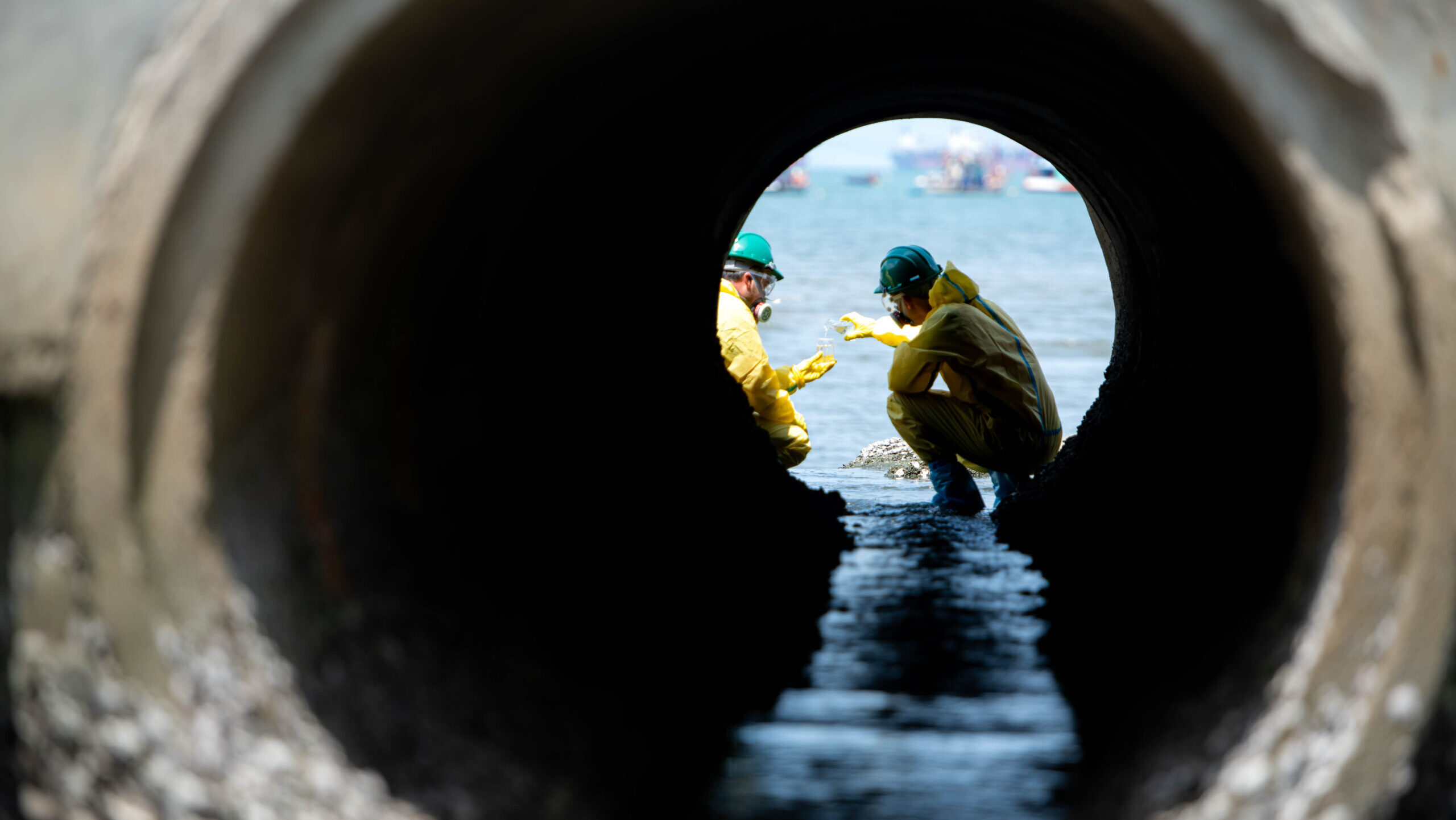
Fats and oils entering sewer networks can create serious problems beneath cities. Once inside pipes, they adhere to the walls and trap other materials, gradually reducing the capacity of the network. This can lead to blockages, unpleasant odours and wastewater overflows, increasing maintenance demands while creating risks for public health and the environment.
The city of Klaipėda, Lithuania, is responding to this challenge by encouraging businesses to manage their liquid waste more responsibly. Until the end of the year, Klaipėdos vanduo will accept eligible fats, oils and other qualifying liquid waste at the city’s wastewater treatment plant free of charge. The initiative aims to prevent these substances from being discharged into domestic sewer networks, where they can accumulate and become significantly more difficult to remove.
Measures that prevent unsuitable waste from entering sewers are an important first line of protection. However, utilities must also manage deposits, defects and other problems that may already be developing across extensive underground networks. Limited information about pipe conditions can make it difficult to identify emerging risks before they cause blockages, leaks or infrastructure failures.
The PIPEON project is addressing this broader challenge by developing autonomous robots, advanced sensors and AI-supported tools for inspecting and managing sewer infrastructure. Designed to operate in hazardous underground environments, these systems will identify defects and obstructions, remove blockages and collect data that can support more proactive interventions.
PIPEON will evaluate these solutions across three case studies presenting different operating conditions. For instance, in Bærum, Norway, robotic inspections will be combined with high-pressure cleaning to improve sewer functionality and prevent blockages from escalating into overflows or system failures.
These infrastructure challenges will explore how automated inspection, monitoring and data analysis can give utilities a clearer understanding of their systems, support earlier risk identification and enable a shift towards preventive infrastructure management.


